
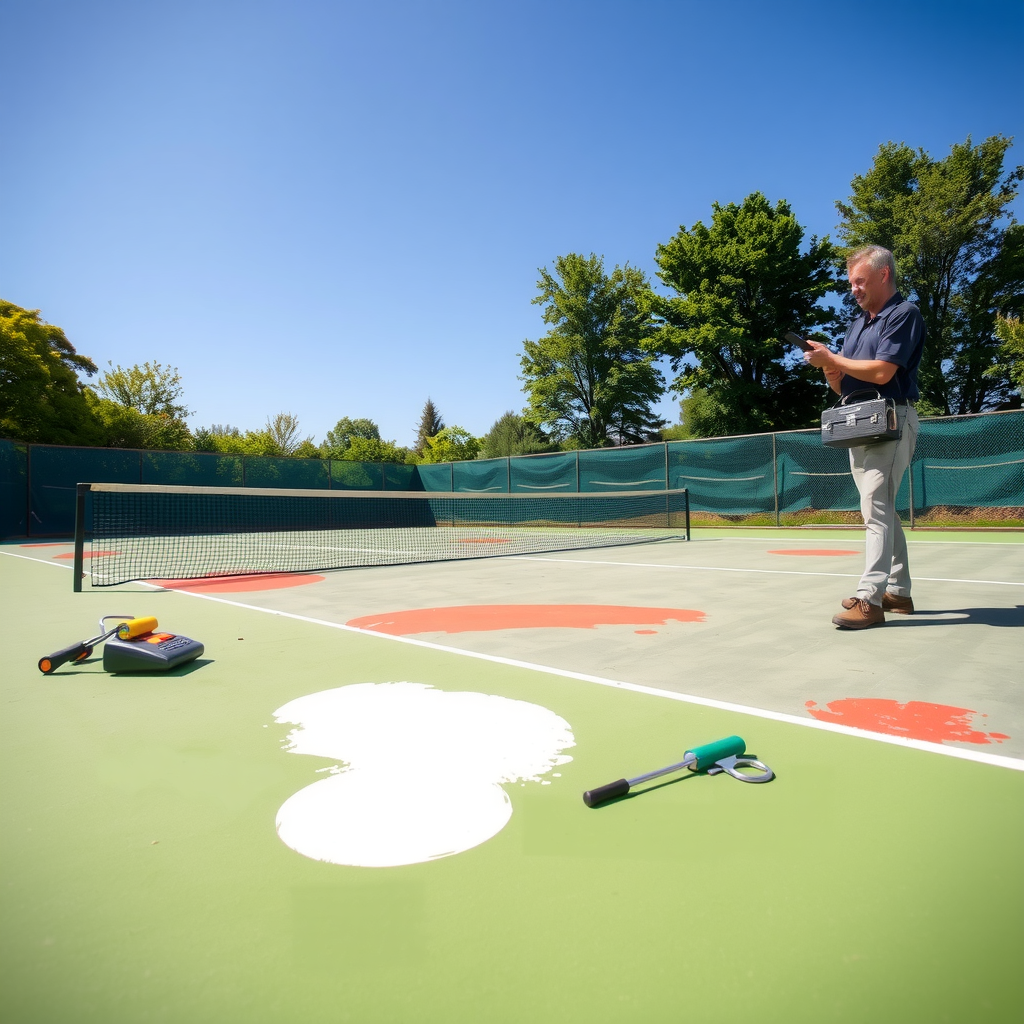
Tennis is a beloved sport enjoyed by players of all ages, and maintaining a quality tennis court is essential for optimal play and safety. While regular usage can lead to wear and tear, most repairs don’t have to break the bank. This guide will walk you through affordable solutions for tennis court repairs, from resurfacing to cleaning and maintenance.
Understanding the Importance of Maintenance
Regular maintenance plays a significant role in the longevity of your tennis court, whether it’s an artificial grass tennis court or one made from traditional materials. High-quality tennis court maintenance can reduce the frequency and cost of repairs significantly.
Tennis court repairs are essential for maintaining optimal playing conditions and prolonging the lifespan of your court. Whether it’s fixing cracked surfaces or addressing drainage issues, timely repairs enhance player safety and performance. For expert assistance in tennis court repairs, visit artificialgrassmaintenance.co.uk/tennis-court-maintenance-cleaning-installation to ensure your court remains in top shape all year round.
Tennis Court Cleaning
Keeping your tennis court clean is one of the most vital aspects of maintenance. Dirt, leaves, and debris can not only affect the aesthetics of your court but can also impact the overall playing experience.
Regular Sweeping: Simple sweeping can significantly reduce build-up on your court. Aim to do this at least once a week, particularly during the autumn months when leaves are likely to accumulate.
Debris Removal: In addition to sweeping, make sure to regularly check for items such as stones or branches, particularly after storms. Removing these items can prevent surface damage, ensuring your court remains playable and safe.
Washing the Surface: For courts with artificial grass, a proper cleaning involves hosing down the surface to remove any dust or debris. It’s recommended to do this every few months. If your court uses acrylic surfaces, you may consider using a specialised court cleaner that won’t cause damage.
Tennis Court Resurfacing
Over time, even the best-maintained tennis courts may start to show signs of wear. This typically happens to surfaces such as acrylic or asphalt courts. When you notice cracks, fading, or rough patches, it may be time for resurfacing.
Assess the Condition: Before deciding to resurface, thoroughly examine the court. If only minor cracks are present, they can often be filled with a simple crack filler. However, if you observe widespread wear, resurfacing is your best option.
DIY Resurfacing: Many tennis enthusiasts opt for DIY resurfacing to save on costs. A resurfacing kit for a small court can be quite affordable. Just be sure to follow the instructions carefully for a seamless finish.
Hiring Professionals: If the damage is extensive or if you’re unsure about the DIY approach, consider hiring a professional. While this option does come with a higher price tag, the peace of mind and quality of workmanship may be worth the investment. Also, professionals often offer warranties on their work, which can save money in the long run.
The Role of Artificial Grass Tennis Courts
Artificial grass tennis courts have become increasingly popular due to their low maintenance needs and high durability. However, even these courts require attention to maintain an optimal playing surface.
Regular Brushing: For a smooth playing experience on an artificial grass tennis court, regularly brush the surface to keep the infill evenly distributed. This helps maintain ball bounce and reduces the risk of uneven playing conditions.
Dealing with Weeds and Moss: Weeds can be a nuisance for artificial grass courts. Regularly inspect your court for any plant growth, and use a weed killer that’s safe for your surface, or opt for natural solutions to keep them at bay.
Infilling and Replacing: Over time, the infill material of artificial grass may need to be replenished due to wear and tear. Adding fresh infill can help in maintaining the cushion and resilience of the court.
Affordable Tennis Court Installation and Upgrades
If you’re considering a new install or an upgrade to your existing court, there are plenty of affordable options available.
Choosing the Right Surface: When installing a new tennis court, consider artificial grass, which can be less expensive to maintain over time and offers a softer playing surface compared to hard courts. The initial cost may be higher, but savings in maintenance and repairs can compensate for this in the long run.
Utilising Quality Materials: While it may be tempting to choose the cheapest option available, using quality materials will save you money in repairs and resurfacing. Look for suppliers who specialise in tennis court materials for guidance on durable and affordable options.
Phase Your Project: If you’re looking to save money, consider phasing your installation. Completing the project in stages allows you to manage your budget more effectively while still achieving a high-quality result.
Maintaining and repairing your tennis court doesn’t have to be a daunting or overly expensive venture. By incorporating regular cleaning routines, timely resurfacing, and choosing the right materials, you can ensure your tennis court remains in excellent condition for years to come. So grab your broom, check the court condition regularly, and keep enjoying the great game of tennis!