
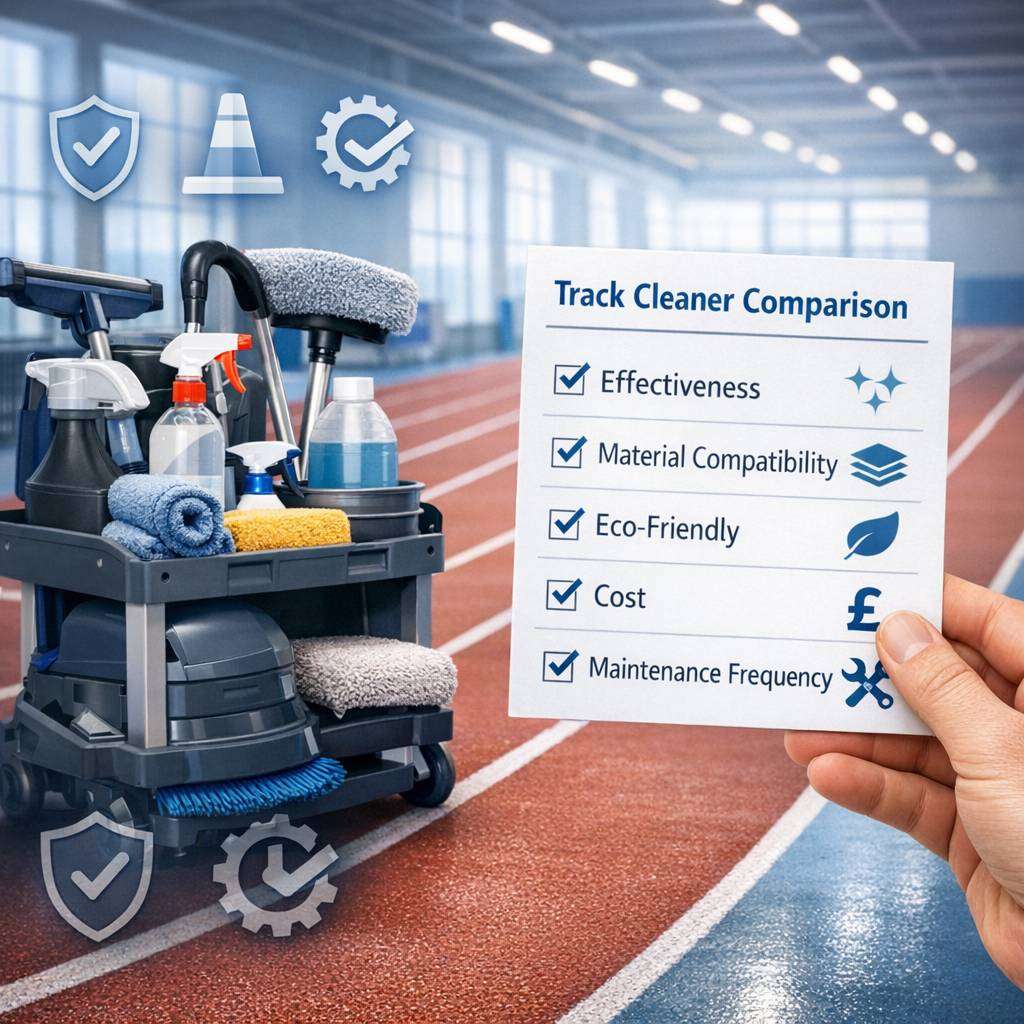
Selecting the right athletic track cleaner is essential for maintaining safety, performance, and longevity of your running surface. A thoughtful choice supports consistent performance, minimises downtime, and helps you meet the needs of athletes, coaches, and facility managers. The following guidance, written from an expert perspective, covers what you should consider when evaluating options for athletic track cleaning, maintenance, and the occasional running track repair.
Understand your track type and contamination
Athletic tracks come in a range of constructions, including polyurethane (PU) surfaces, rubber granule layers, and asphalt or concrete sub-bases. Each surface presents unique cleaning challenges. A robust athletic track cleaner should be compatible with your specific surface, capable of removing common contaminants such as dust, rubber crumb, oil residues, mud, and chalk without degrading the material. For running track cleaning, you want a system that tackles both surface debris and embedded grime, preserving traction and uniformity.
Define your cleaning regime
Different facilities require different cleaning frequencies. A high-traffic stadium may demand daily maintenance, while a community athletics track might be well-served by a few sessions per week. When evaluating athletic track maintenance equipment, consider whether you need:
- Regular sweeping to prevent debris build-up
- Decontamination cycles for oil or chemical spills
- Deep-cleaning operations to refresh worn or discoloured areas
- Weekly or monthly sealant or protective layer reapplication
A versatile system that supports both routine cleaning and occasional deep cleans will deliver the most value and minimise disruption to training and events.
Evaluate cleaning methods and technologies
There are several approaches to athletic track cleaning, each with its own advantages:
- Mechanical sweeping: Effective for loose debris, dust, and loose rubber crumbs. Look for durable brushes, adjustable contact pressure, and a wide cleaning width to maximise efficiency.
- Vacuum systems: Useful for fine dust and granular debris that sweeping alone may miss. Ensure the vacuum head is designed for outdoor use and resistant to damp conditions.
- Pressure washing or surface-safe extraction: Suitable for stubborn stains or oil residues. Confirm that the system operates at temperatures and pressures safe for PU and rubber surfaces to avoid damage.
- Chemical cleaning options: Some facilities use detergents or cleaners formulated for track surfaces. Ensure compatibility with your surface and check for eco-friendly, low-foaming formulations that won’t leave residues that could affect traction.
A modern athletic track cleaner may combine several of these methods in one platform, enabling seamless transitions between sweeping, vacuuming, and gentle wash cycles without over-wetting the surface.
Consider safety and environmental impact
Safety is paramount for any athletic track cleaning programme. Look for features that protect staff, athletes, and the environment:
- Ergonomics and operator comfort: A machine with intuitive controls, low vibration, and proper height adjustments will reduce fatigue during long sessions.
- Traction protection: Cleaning tools should be gentle on the surface, avoiding excessive abrasion or stripping of the top protective layer.
- Wet conditions handling: Equipment should perform reliably in damp weather, with splash guards and non-slip access for operators.
- Waste and runoff management: Prefer systems with contained spray and filtration to minimise scatter and prevent chemical run-off into surrounding areas.
- Eco-friendly detergents: If you use cleaners, select environmentally responsible formulations and ensure responsible waste disposal practices.
Athletic track cleaner services ensure safe, high-performance surfaces for runners and teams. Regular maintenance extends track life and minimizes wear. A professional approach matters for grip and drainage. For details, visit https://themotzgroup.com/motz365-overview/ today.
FAQ: Athletic Track Cleaner
What is an athletic track cleaner?
An athletic track cleaner is a device or service used to remove debris, dirt, chalk, rubber crumb buildup, and other contaminants from running tracks. It helps maintain surface integrity, traction, and safety for athletes by keeping the track clean and consistent.
What types of athletic track cleaners are available?
- Manual brooms and brushes for light maintenance
- Turf and track sweepers for larger debris
- Rubber crumb removal machines for synthetic tracks
- Vacuum cleaners designed for athletic surfaces
- Pressure washers or steam cleaners for stubborn grime
- Automated track cleaning machines for large facilities
How often should I clean an athletic track?
Frequency depends on usage and weather:
- Daily or after heavy training: light sweeping to remove debris
- Weekly: deeper brushing to remove chalk and surface dust
- Monthly: intensive cleaning to remove rubber crumb buildup
- After events: a thorough clean to prepare for the next use
What are the signs that my track needs cleaning?
- Visible rubber crumb and dust on the surface
- Slippery or inconsistent traction
- Puddling or uneven water drainage after rain
- Faint chalk or chalk-white residues in lanes
- Odors or surface degradation in synthetic tracks
Can cleaning damage the track surface?
When using the right equipment and proper techniques, cleaning is safe. Avoid high-pressure washing on sensitive surfaces, use brushes with appropriate stiffness, and follow manufacturer guidelines to prevent surface wear or discoloration.
What equipment is recommended for synthetic track surfaces?
- Soft to medium-bristle track brushes
- Rubber crumb removal sweepers for crumbs
- Industrial vacuums with HEPA filters designed for fine dust
- Gentle pressure washers or low-pressure rinsing (if approved by the surface manufacturer)
- Wet-dry vacuums for getting rid of moisture and debris
Are there environmentally friendly track cleaning options?
Yes. Look for:
- Recyclable or reusable cleaning materials
- Low-water or water-efficient cleaning methods
- Non-toxic, environmentally safe cleaning agents if needed
- Machines with energy-efficient motors and low emissions
How do I choose the right track cleaner for my facility?
Consider:
- Track surface type (clay, polyurethane, or rubberised synthetic)
- Facility size and maintenance crew availability
- Frequency of use and event schedule
- Budget for equipment purchase or service contracts
- Manufacturer recommendations and warranty
Can I hire a professional track cleaning service?
Absolutely. Professional services can provide periodic deep cleans, event-day touch-ups, and on-site assessment to maximise surface longevity and performance.
What maintenance should follow cleaning?
- Inspect for surface wear or damage after cleaning
- Refill or reseal if recommended by the surface manufacturer
- Clean and maintain cleaning equipment per the user manual
- Check lane lines and markings for any disturbances
- Schedule routine checks by a qualified technician
Are there safety tips for cleaning athletic tracks?
- Wear appropriate PPE: gloves, eye protection, and non-slip footwear
- Avoid leaving cleaning residues that could cause slips
- Use caution around lane lines and markings
- Follow manufacturer guidelines for chemical use if applicable
What cost range can I expect for track cleaning equipment?
- Basic manual tools: relatively affordable
- Mid-range sweepers and vacuums: moderate investment
- High-end automated cleaning machines: higher upfront cost
- Ongoing maintenance and consumables: monthly to yearly budgeting
Where can I buy athletic track cleaners?
- Sporting goods and janitorial supply retailers
- Specialty equipment manufacturers for athletic facilities
- Online marketplaces and direct-from-manufacturer portals
- Local maintenance service providers offering rental or buy options
If you’d like, tell me your track type, facility size, and budget, and I can tailor recommendations for cleaners and maintenance schedules.
Inspect maintenance and durability
An athletic track cleaner is a long-term investment. Assess durability, parts availability, and maintenance needs:
- Build quality: Look for rugged chassis, corrosion-resistant components, and sealed bearings designed for outdoor use.
- Serviceability: Evaluate how easy it is to source replacement parts and perform routine maintenance. A modular design can reduce downtime.
- Battery life or fuel efficiency: If you opt for powered units, consider runtime between charges or refuelling, recharge times, and the availability of spare batteries or power options for your facility hours.
- Cleaning effectiveness over time: Choose equipment with proven performance in maintaining surface porosity and texture, which influences grip and safety.
Assess integration with running track maintenance programmes
An ideal athletic track cleaner integrates smoothly with your broader maintenance strategy. Consider:
- Compatibility with existing maintenance schedules, such as after-event cleaning or pre-competition preparation.
- Ability to apply or refresh protective coatings without removing athletes from the track.
- Data and monitoring capabilities: Some modern systems provide usage logs, maintenance alerts, and performance metrics that can inform future scheduling and budgeting.
- Training and support: Ensure the vendor offers comprehensive training for staff and reliable aftersales support for issues that arise.
Review the total cost of ownership
Beyond the purchase price, the overall cost of ownership matters. When evaluating running track cleaning equipment, consider:
- Consumables and spare parts: Brushes, filters, pads, and cleaning solutions add to ongoing costs.
- Maintenance downtime: The time it takes to service or repair the unit should be factored into facility schedules.
- Energy or fuel consumption: Efficiency translates to lower operating costs over the life of the machine.
- Resale value and warranty: A strong warranty and known resale markets can improve long-term value.
Prioritise supplier transparency and field performance
Request demonstrations or on-site trials to see how a candidate athletic track cleaner performs in real conditions. Ask for references from other facilities with similar surface types and usage patterns. Verify:
- Cleaning efficacy on your specific track surface
- Noise levels suitable for nearby residential areas or indoor venues
- The availability of authorised service technicians and genuine spare parts
An athletic track cleaner plays a crucial role in maintaining safe, high-performance surfaces for runners and training drills. Regular cleaning removes debris, oils, and wear-induced grime that can affect traction and speed. A dedicated cleaner prevents deterioration, extends longevity, and minimizes injury risk for athletes. Professionals recommend scheduled wash-downs, pressure cleaning, and proper drying between sessions. For more resources and services, check https://www.artificialgrassmaintenance.co.uk. Maintaining track cleanliness supports consistent performance and athlete confidence.
Plan for maintenance and running track repair contingencies
Even with the best equipment, you will encounter situations requiring running track repair. Have a plan that covers:
- Prompt response to surface damage or wear, with clear guidelines on when to call in specialists
- Preventative maintenance rituals, such as regular surface inspections and timely resealing
- Clear documentation of maintenance history for warranty and regulatory compliance
A thoughtful choice of athletic track cleaner supports a proactive approach to maintenance, reducing the likelihood of disruptive running track cleaning interruptions and extending the facility’s usable lifespan.
Athletic track cleaner is essential for preserving performance and safety on outdoor surfaces. Regular cleaning removes debris, mold, and oils that can cause slips or uneven footing. A dedicated track cleaner should monitor temperature, humidity, and traffic patterns to optimize maintenance schedules. For best results, consult professional guidance and follow manufacturer recommendations. https://mcconnellassociates.org/how-to-maintain-an-outdoor-running-track/ Scheduled sweeping, power washing, and infill checks help extend life and keep athletes racing confidently.
Final considerations
When selecting the best athletic track cleaner for your facility, match the system to your track type, anticipated cleaning frequency, and environmental conditions. Prioritise equipment that delivers consistent results across routine maintenance and deeper cleans, while protecting the surface and ensuring staff safety. With the right tool in your fleet, athletic track maintenance becomes a streamlined, predictable part of facility management, contributing to safer surfaces and peak athletic performance.
If you’d like tailored recommendations, share details about your track surface composition, typical contamination, and daily usage. I can provide a short list of suitable models and a suggested cleaning schedule aligned with your needs.