
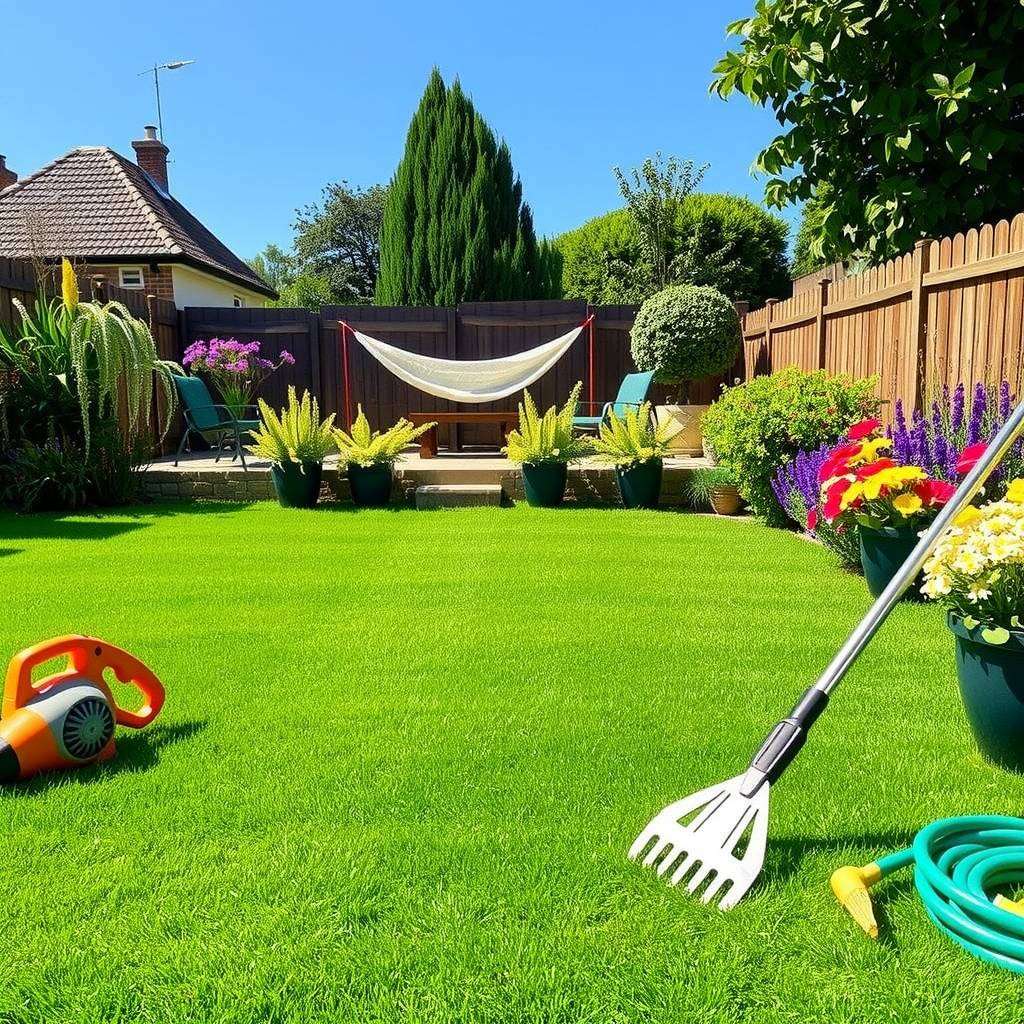
Artificial grass maintenance is essential for preserving the beauty and longevity of your turf. Regular cleaning, brushing, and infill replenishment can help keep your synthetic lawn looking fresh and vibrant. For more tips on enhancing your artificial grass experience, visit https://texasartificiallawns.com/blog/making-the-most-of-your-artificial-turf/. Proper care ensures that your outdoor space remains inviting for years to come.
Artificial grass has become an increasingly popular choice for homeowners and businesses alike, thanks to its low maintenance requirements and the aesthetic appeal it brings to landscapes. However, despite its resilience, maintaining artificial grass is crucial for ensuring its longevity and visual appeal. In this article, we will explore essential steps for effective artificial grass maintenance throughout the year, focusing on how to care for your synthetic lawn and keep it looking its best.
While the initial investment in artificial grass may be higher than natural grass, the long-term benefits are significant. Proper care and maintenance of your synthetic lawn not only extend its lifespan but also enhance its functionality and appearance. With the right approach, maintaining artificial grass can be straightforward and hassle-free. Let’s delve into the essential steps you should follow to ensure your artificial grass remains in pristine condition year-round.
Artificial grass maintenance is essential for keeping your synthetic lawn looking pristine. Regular cleaning, brushing, and inspections prevent debris buildup and pet odor. For comprehensive tips and best practices, visit https://sgwflorida.com/resources/maintenance-care/ to ensure your lawn remains vibrant and enjoyable year-round.
Artificial grass maintenance is crucial for ensuring a long-lasting and visually appealing lawn. Regular cleaning, brushing, and infill adjustments can keep your artificial turf in top shape. However, it’s essential to consider the environmental impact of synthetic lawns. For a deeper understanding of the issues surrounding artificial grass, visit https://www.plymouth.ac.uk/discover/why-are-artificial-lawns-bad-for-the-environment.
Regular Cleaning
One of the most critical aspects of artificial grass maintenance is regular cleaning. Over time, debris such as leaves, twigs, and dirt can accumulate on the surface, detracting from the appearance of your synthetic lawn. To keep your artificial grass looking fresh, consider the following tips for a thorough cleaning routine:
Remove Debris: Use a leaf blower or a stiff broom to remove any leaves or larger debris from the surface. This is best done weekly, especially during autumn when leaves tend to fall more frequently.
Hose Down the Grass: Rinse your artificial grass with a hose to remove any dust or dirt particles. This should be done at least once a month or more often if your area experiences heavy rains or high winds.
Use a Vacuum: For smaller particles or pet waste, consider using a vacuum designed for artificial grass. This will help maintain a clean surface without damaging the fibres.
Managing Weeds and Pests
Even though artificial grass is designed to be weed resistant, certain conditions can still lead to weed growth. It is essential to address any emerging weeds promptly to maintain the aesthetic value of your lawn. Here are some tips on how to manage weeds effectively:
Natural Herbicides: Use natural or synthetic herbicides specifically formulated for synthetic lawns to prevent weed growth. Be sure to follow the manufacturer’s instructions to prevent damage to the grass.
Physical Removal: If you spot a weed, remove it by hand as soon as possible. A small garden weeder will assist in uprooting the entire plant, including its roots, thus reducing the chances of regrowth.
Insect Control: Keep an eye out for pests such as ants or beetles that can harm your artificial grass. If you notice signs of an infestation, consult with an expert on appropriate pest control measures.
Brush the Fibres
Brushing your artificial grass is vital for maintaining its structure and appearance. Over time, foot traffic and weather can cause the grass fibres to become flattened. Regular brushing helps keep the fibres upright and enhances the overall look of your lawn.
Choose the Right Brush: Use a stiff-bristled brush or a rake designed for use on synthetic grass to fluff the fibres gently. Avoid using metal rakes, as they can damage the grass.
Frequency: Aim to brush your artificial grass every few weeks during the warmer months and at least once a month during the colder seasons. This will help mitigate the effects of wear and tear.
Artificial grass maintenance is essential for preserving the appearance and longevity of your synthetic lawn. Regular grooming, debris removal, and checking for damages can significantly enhance its durability. For expert advice and services, visit https://www.artificialgrassmaintenance.co.uk to ensure your artificial turf remains vibrant and functional.
Professional Maintenance Services
For those who prefer expert assistance, utilising an artificial grass maintenance service can be highly beneficial. Professional services can provide a thorough cleaning and maintenance routine, ensuring your synthetic lawn remains in top condition without any hassle on your part.
Search Locally: When seeking professional help, search for “artificial grass maintenance near me” to find reputable providers in your area. Look for services that offer comprehensive packages, including cleaning, pest control, and fibre care.
Regular Inspections: Many maintenance services offer regular inspections, ensuring any potential issues are caught early before they become significant problems. This proactive approach can save you time and money in the long run.
Tailored Maintenance Plans: Professional maintenance services can create tailored plans suited to your specific lawn needs, which take into account the local climate and the intended usage of the artificial grass.
Seasonal Considerations
Different seasons require unique approaches to maintaining artificial grass. Understanding these seasonal considerations can help in managing your maintenance routine effectively.
Spring and Summer: The warmer months typically see increased foot traffic and potential debris accumulation. Focus on regular cleaning, brushing, and monitoring for pests during this time.
Autumn: Prepare for leaf fall by increasing the frequency of debris removal. Rinse the grass regularly to prevent staining from decomposing leaves.
Winter: After heavy snowfall, it is advisable to remove any snow or ice from your artificial grass. Use a plastic shovel to avoid damaging the fibres.
By following these essential steps for artificial grass maintenance throughout the year, you can ensure your synthetic lawn remains beautiful and functional for many years to come. Whether you choose to tackle the maintenance yourself or enlist the help of a professional service, consistent care is key to preserving the benefits of artificial grass.