
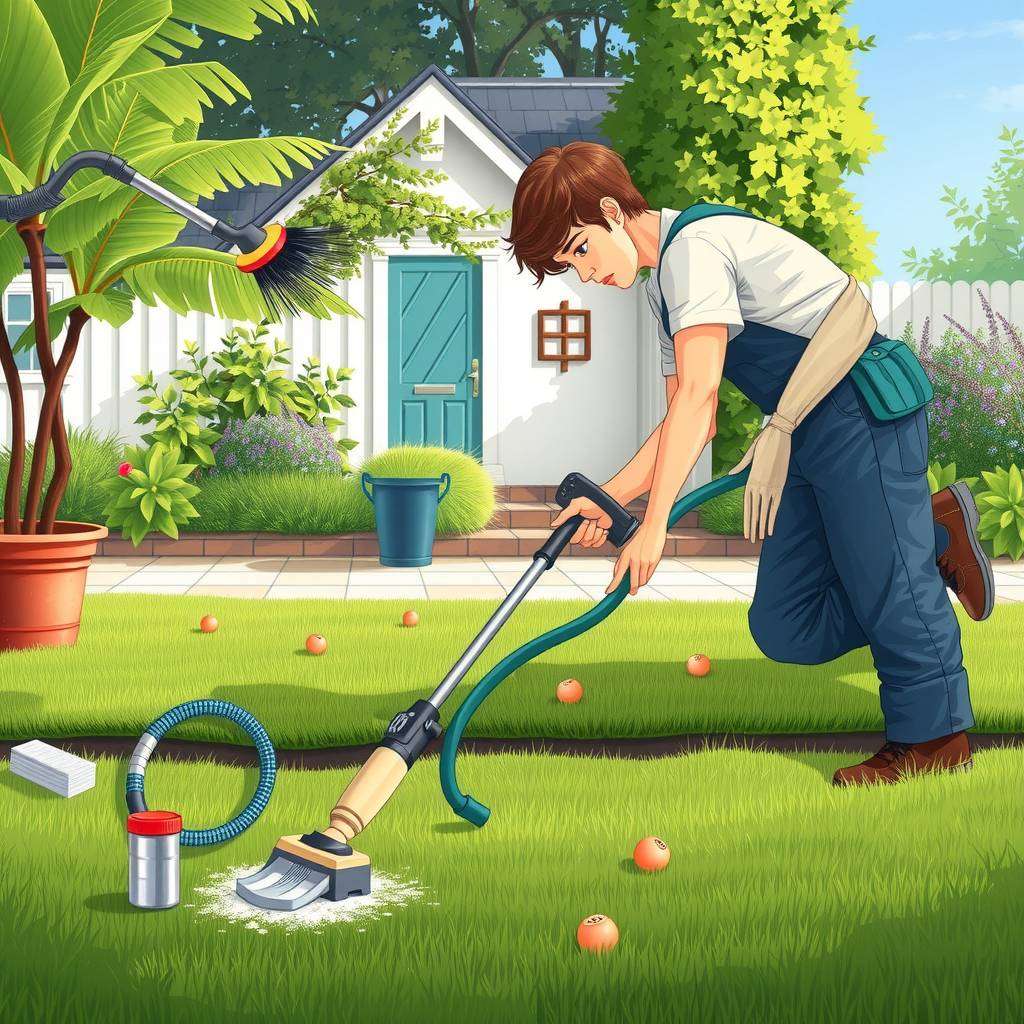
Artificial grass has become an increasingly popular alternative to natural turf, offering a low-maintenance, durable, and visually appealing solution for gardens, sports facilities, and commercial spaces. However, to keep your artificial lawn looking lush and functioning optimally, proper artificial grass maintenance is essential. This guide provides a comprehensive, step-by-step approach to caring for artificial grass, ensuring it remains vibrant, safe, and loved for years to come. Whether you’re searching for artificial grass maintenance near me or seeking a tailored artificial grass maintenance package, investing time into its upkeep is crucial.
Proper maintenance of artificial grass is essential for its longevity and appearance. Regular brushing, clearing debris, and occasional washing keep the surface clean and vibrant. For professional guidance and tips on maintenance of artificial grass, visit https://www.artificialgrassmaintenance.co.uk. Ensuring proper care will prolong its beauty and usability.
Understanding the Importance of Artificial Grass Maintenance
Maintaining artificial grass is not merely about aesthetics; it also involves preserving its integrity, extending lifespan, and ensuring safety. Proper maintenance of artificial grass helps prevent issues such as odour build-up, weed growth, and uneven surface erosion. Additionally, routine upkeep reduces long-term costs by addressing small problems before they escalate into expensive repairs.
Why Regular Artificial Grass Care Matters
- Enhances appearance: Regular brushing and cleaning keep your synthetic turf looking fresh and vibrant.
- Ensures safety: Removing debris and detritus prevents slipping hazards, especially in high-traffic areas.
- Maintains hygiene: Proper cleaning controls odours and inhibits bacteria and mould growth.
- Prolongs lifespan: Appropriate maintenance prolongs the effective useage period of your artificial grass.
Step 1: Remove Debris and Litter
The first step in maintaining artificial grass is regular removal of loose debris such as leaves, twigs, and litter. Accumulated organic matter can promote mould or moss growth, especially in shaded or damp areas.
How to do it:
- Use a leaf blower or garden vacuum for quick and efficient debris removal.
- For finer particles, a stiff-bristled broom or a specialised turf brush can be employed to sweep away dirt and leaves.
- Avoid metal rakes or sharp tools that could damage the fibres.
If you’re searching for artificial grass maintenance near me, many local landscaping professionals provide debris clearance services as part of their maintenance of artificial grass packages.
Step 2: Brush and Fluff the Surface
Over time, foot traffic causes the fibres in artificial grass to become flattened or compressed. Brushing restores their upright position, maintaining an even, natural look and preventing matting.
How to do it:
- Use a stiff-bristled broom or yard brush to brush against the grain of the fibres.
- For larger areas, a mechanical sweeper or specialised turf brush can expedite the process.
- Focus on high-use zones such as entrances, pathways, or play areas.
Regular brushing (at least once a week) is recommended to maintain an attractive appearance and to aid in maintaining artificial grass effectively.
Proper maintenance of artificial grass is essential to keep it looking fresh and vibrant for years. Regularly remove debris, brush the surface to prevent matting, and rinse periodically to eliminate dust and dirt. To ensure your artificial turf remains in top condition, follow expert guidance on maintenance routines. For detailed tips and comprehensive care instructions, visit https://www.southernturfco.com/how-to-maintain-artificial-turf-grass/. Proper upkeep will extend the lifespan of your artificial grass and maintain its aesthetic appeal.
Step 3: Clean and Disinfect
Artificial grass is resistant to mould and fungi but still requires periodic cleaning to sustain hygiene standards.
How to do it:
- Use a mild detergent solution or specialised artificial grass cleaner to remove stains and odours.
- Rinse thoroughly with clean water to eliminate soap residues.
- For odour control, particularly in pet-friendly areas, applying a biological enzyme cleaner helps break down organic waste.
- Ensure the cleaning products used are safe for artificial turf, and avoid harsh chemicals that could damage the fibres.
Considering artificial grass maintenance near me, many suppliers offer professional cleaning services, or you can opt for a comprehensive artificial grass maintenance package that includes deep cleaning.
Step 4: Address Weed and Moss Growth
Although artificial grass is designed to be weed-resistant, weeds can sometimes grow around the edges or through drainage gaps. Moss may develop in shaded, damp areas.
How to do it:
- Carefully remove weeds with hand tools or weed killer suitable for synthetic surfaces.
- For moss, apply a moss and algae treatment, ensuring it’s safe for artificial turf and the environment.
- Rinse thoroughly after treatment and brush the area to restore appearance.
Prevention is better than cure; proper installation and ensuring good drainage can significantly reduce the risk of weed and moss growth. Search for local professionals offering artificial grass maintenance near me for expert assistance.
Step 5: Manage Pet Waste and Odours
For households with pets, maintaining artificial grass involves extra steps. Remove solid waste promptly and clean the area thoroughly.
How to do it:
- Pick up solid waste with a plastic bag or scoop.
- Rinse with water to flush out residue.
- Apply odour-neutralising products specifically designed for artificial turf.
- For urine, hosing down the area regularly prevents odour build-up.
A tailored artificial grass maintenance package for pet owners can include odour control treatments, ensuring your lawn remains fresh and hygienic.
Step 6: Maintain Drainage and Check for Damage
Good drainage is crucial in artificial grass care to prevent water pooling and damage.
How to do it:
- Regularly inspect the surface for areas where water collects.
- Clear any blocked drainage holes or perforations.
- Check for tears, loosening, or uneven patches, and address repairs promptly.
If you notice significant damage or drainage concerns, contacting professional installers or maintenance teams can prevent further deterioration.
Step 7: Implement Preventative Measures
Preventative care prolongs the life and aesthetic of your artificial turf.
- Use protective mats or pads under heavy objects or furniture to avoid crushing fibres.
- Limit access to sharp or heavy items that can puncture or deform the surface.
- Consider implementing a maintenance schedule that includes routine inspections and cleaning.
For comprehensive upkeep, many residents opt for a scheduled artificial grass maintenance package, which includes all necessary tasks performed regularly.
Maintaining artificial grass effectively hinges on consistent and appropriate care practices. Whether you’re just beginning to enjoy your new outdoor space or looking to extend its lifespan, understanding the essential steps in artificial grass maintenance is key. From debris removal to deep cleaning, weed prevention to damage repair, each aspect contributes to an attractive, safe, and durable synthetic lawn.
When in doubt or seeking specialised assistance, search for artificial grass maintenance near me to find local experts, or consider professional artificial grass maintenance packages for hassle-free upkeep. Proper artificial grass care and maintenance will ensure your investment remains a beautiful feature for many years ahead.